Most “e-commerce in Malaysia” guides tell you the market is worth billions and then stop — as if knowing the market is big helps you make a single sale. You already know it’s big. What you actually need is the operator’s manual: how to open the account, get your first order, run a TikTok or Shopee LIVE that converts, make content that sells while you sleep, out-compete the sellers already ahead of you, and end the month with real profit and not just “revenue.” That’s what this is. It’s long on purpose, because selling online is a craft with a hundred small levers, and we’re going to pull every one of them with you.
This guide is built from three things: the real, current fees and rules (which we cite and date), a worked profit model you can copy, and — most importantly — what Malaysian sellers actually say works, pulled verbatim from Lowyat and Reddit. Where something is our judgement or an estimate, we say so. No “RM50k a month passive” fantasies. Just the plays.
Quick grounding, then we get to work. Malaysia’s platform e-commerce grew 47.6% in 2025, the second-fastest in Southeast Asia (Momentum Works, 2026); e-wallet usage is at 88% and Bank Negara logged 18.4 billion e-payments in 2025 (Oppotus, 2024; BNM Annual Report 2025). The demand is there. But the marketplaces now take 20–25% of every sale in fees, and the price war is brutal — as one Lowyat seller put it, “everyone selling the same thing sure la makan rumput.” Winning is not about “being online.” It’s about executing the plays below better than the seller next to you.
Part 1 — Pick your battlefield (a 60-second channel decision)
You have four realistic places to sell: Shopee, TikTok Shop, Lazada, and your own store. They are not interchangeable — each rewards a different strength. We scored them on six weighted criteria (methodology disclosed so you can re-weight for yourself); higher fee score means cheaper.
| Channel | Reach 25% | Fees 25% | Control 15% | Ease 15% | Growth 10% | Pay/Log 10% | Score |
|---|---|---|---|---|---|---|---|
| Shopee | 10 | 5 | 3 | 8 | 7 | 9 | 7.00 |
| TikTok Shop | 8 | 6 | 3 | 6 | 10 | 9 | 6.75 |
| Own store | 2 | 9 | 10 | 4 | 6 | 5 | 5.95 |
| Lazada | 6 | 4 | 4 | 6 | 5 | 9 | 5.40 |
Shopee = the biggest ready-to-buy audience (~55 million monthly visits, #1 in Malaysia — Semrush, 2026); win here on search visibility, price and operations. TikTok Shop = the fastest-growing channel, powered by video and LIVE; win here on content and entertainment. Lazada = a smaller but higher-spending, brand-conscious audience. Your own store = the worst reach (you must bring 100% of your own traffic) but the best economics and the only one where you own the customer. The winning strategy for almost everyone is a sequence, not a choice: start on a marketplace to learn and earn, build your own store in parallel so your margin compounds instead of eroding. The rest of this guide shows you how to execute on each.
Which to start with? If you have little capital and won’t be on camera, start on Shopee. If you’ll create video or go live, start on TikTok Shop (its 0%-commission first 90 days is free tuition). Selling to East Malaysia or older buyers, keep cash-on-delivery on and lean on Shopee/Lazada reach. Now let’s actually open the shop.
Part 2 — Choose a product, source it, and open your shop
This is the part the generic guides skip. Before you touch a platform, you need a product that can actually win and a way to get it cheaply — because the best listing in the world can’t rescue a bad product at a bad cost. Then we open the shop. In order:
Step 1: Choose a product that can actually win
Product choice is roughly 80% of your outcome; everything else is execution on top of it. Most Malaysian sellers fail here — they pick a generic bestseller everyone else already sells, then wonder why they’re stuck in a price war. Run every candidate product through this filter before you commit a single ringgit:
Margin first. Can you buy it for ~30–40% of the price you can realistically sell it at? After the 20–25% marketplace take, shipping and ads (see the profit model in Part 8), anything with under ~60% gross margin will struggle to net you money. Light, small, and not fragile. Shipping and breakage eat margin and generate returns; a RM6 courier fee on a bulky item can be your whole profit. Solves a problem or rides a want. Products that fix an obvious pain (a gadget that unclogs drains) or feed an identity/trend (viral skincare, fandom merch) sell themselves in a 15-second video. Not brand-restricted. You can’t casually list Apple or Dyson; stick to unbranded, your own brand, or products you’re authorised to sell. Defensible. Can you niche it, brand it, or bundle it so you’re not directly price-matchable? If literally 200 identical listings exist, you need an angle before you enter.
How to research demand cheaply, using free tools: search your product idea on Shopee and read the top listings — the number of units sold and reviews tells you real demand and how entrenched competitors are (a category with sales but no seller above a few hundred reviews is an opening). Type it into the Shopee and TikTok search bars and note the autocomplete suggestions — that’s free keyword and intent data. Scroll TikTok’s product and trending tabs and the Creative Center to see what’s spiking. Check seasonality (don’t launch raincoats in the dry season). The goal: demand that’s proven but not yet dominated. Validate before you scale — order a small first batch (or dropship a test) and see if it actually sells before you sink capital into inventory.
Step 2: Source it — suppliers, samples and true landed cost
Where your stock comes from decides your margin and your reliability. Malaysian sellers have four main routes. Local suppliers/wholesalers (KL wholesale districts, local distributors, Facebook supplier groups): higher unit cost but fast restock, no import tax, and easy quality checks — best for beginners and perishables. China via 1688/Taobao (usually through a forwarding/sourcing agent who consolidates and ships to Malaysia): the cheapest unit costs and widest selection, but longer lead times, MOQs, and you must factor the 10% Low-Value Goods tax on imported goods priced RM500 or below (Customs; MOF, 2024) plus shipping into your true landed cost. Dropship suppliers with Malaysian warehouses (e.g. Kumoten) let you test products with no inventory and local delivery speed — thinner margins, but low risk to start. Private-label manufacturers (put your own brand on a factory’s product) — the highest-margin, most defensible route once you’ve proven demand.
Three rules that save you from expensive mistakes: always order a sample first — never list a product you haven’t held; photos lie and the review that kills your shop is the one about quality you didn’t check. Calculate the true landed cost — unit price + shipping + import tax + payment/forex + your agent’s fee, divided by units — before you decide the retail price, not after. And line up a backup supplier early; a single supplier who runs out or hikes prices mid-campaign can sink you. If your first product works, that’s when you talk to a manufacturer about private-labelling it — that’s how you graduate from reseller to brand (and from a 5% margin to a real one).
Shopee: from zero to a ranked listing
Open the account. Download Shopee, register a shop under Shopee Seller Centre. You can start as an individual with just your IC, but note the community warning: “if you want to sell at shopee and laz ya need SSM for business account or you cannot withdraw money” (Reddit r/malaysia). Translation: register a sole proprietorship on ezBIZ (RM30–60) early so payouts and the verified business tier aren’t blocked.
Set up the shop properly before listing. Add a shop logo and banner, a clear shipping profile (link EasyParcel or Shopee’s supported couriers), your return address, and turn on Shopee Chat notifications (response speed is a ranking factor — more below). Complete every field; a half-finished shop suppresses reach.
Understand how Shopee ranks you, then list for it. Shopee’s search algorithm weights roughly four things (Cloud Ecommerce; Hashmeta, 2026): Relevance ~40% (how well your listing matches the search), Performance ~30% (sales velocity, click and conversion rate), Seller quality ~20% (shop rating, chat response, fulfilment speed) and Freshness ~10% (new listings get a temporary boost). Every listing decision below maps to one of these.
Write the listing to win Relevance. Product title formula: Brand + Main Keyword + Key Attributes + Secondary Keyword — e.g. “Hann Korean Glass Skin Serum 30ml Niacinamide Brightening Original HQ.” Use one primary keyword and 2–3 secondary keywords naturally, no stuffing (Shopee’s 2026 AI understands synonyms and intent — Cloud Ecommerce, 2026). Fill every attribute field (brand, size, colour, material) — they feed both search and filters. Upload the full 9 images plus a short video: clean white-background hero, then benefit shots, size/scale, what’s-in-the-box, and a UGC-style “in use” shot. Images drive click-through, which feeds Performance.
Get your first visibility (the chicken-and-egg fix). A brand-new listing has no sales history, so use the Freshness boost fast: list when you can respond to orders immediately, price the opening batch keenly, and drive your first 5–10 sales however you can — your own network, a launch voucher, a keyword ad. Turn on Shopee Ads on your best listing (details in Part 6) and join campaigns/flash sales for the visibility spike. Early sales velocity is what tips a listing from page 5 to page 1; the first 20 orders and first 10 reviews matter more than anything you’ll do later.
Use Shopee’s free in-app growth levers before you spend a cent. Shopee hands sellers a toolbox most beginners ignore: shop vouchers (a small “RM3 off RM30” lifts conversion and average order value), the Follow Prize (a voucher for following your shop — builds a re-marketable follower base), Bundle Deals and Add-on Deals (raise basket size and clear slow stock), and free entry to flash sales and category campaigns (apply through Seller Centre for a big visibility spike). Turn on the ones that fit your margin from day one — they cost you a controlled discount, not cash up front, and they feed the sales-velocity signal that ranks you. Aim to earn Preferred Seller status (consistent good metrics) — the badge itself lifts buyer trust and conversion.
TikTok Shop: the video-first setup
Onboard and link your catalogue. Register at TikTok Shop Seller Centre (individual with IC to start; add SSM for the business tier). Set up your product showcase (the orange basket on your profile), connect a courier, and add products with the same keyword-rich titles and clean images as Shopee. But on TikTok, the listing is not where sales happen — content is.
Learn the TikTok flow: video → LIVE → affiliates. Three engines feed your shop. Short videos tagged with products (a product card appears; viewers buy in-app). LIVE selling (real-time demo — the highest-converting format; Part 3). And the affiliate/creator marketplace, where other people sell for you on commission. Unlock affiliates by keeping your Shop Performance Score (SPS) at 3.5 or above over the rolling 90-day window (TikTok Shop, 2026) — below that, affiliate access is gated.
Use the 0%-commission window as free tuition. New sellers get 0% commission for the first 90 days (Part 1). That’s your runway to test products, hooks and live sessions before the ~4.86–14.58% commission plus 3.78% transaction fee and RM0.54/order support fee (from Feb 2026) kick in (SiteGiant, 2024; BigSeller, 2026). Post daily from day one; the algorithm rewards consistency far more than production polish.
Lazada and your own store
Lazada setup mirrors Shopee (Seller Centre, listings, shipping) but requires SSM to withdraw funds, and you choose Marketplace or the higher-trust LazMall (brand-owned or authorised — worth it once you have a registered brand). Lazada suits higher-AOV, brand products; skip it as a first channel if you’re bootstrapping. Your own store (Shopify or WooCommerce) means installing the platform, connecting a Malaysian payment gateway (Part 8) and a courier, and — the hard part — driving all your own traffic. Don’t launch an own store into silence: open it in parallel with a marketplace and a content engine that already has an audience. We build these for clients; more at the end.
Listings and creative that convert (on any platform)
Traffic is wasted if your listing doesn’t convert the click into a sale. Three levers, none of which need a big budget. Photography: you can shoot conversion-grade images on a phone — natural window light, a clean white or plain background (RM10 of foam board), the product filling the frame, and a set that answers questions: a hero shot, scale/size, texture/detail, what’s-in-the-box, and one “in real life / in use” shot. Malaysian buyers scroll fast; the first image has to stop the thumb. Copy: lead the description with the benefit and the objection-killer, not specs — “stays matte for 12 hours in Malaysian humidity” beats “long-lasting formula.” Front-load keywords in the title (Part 2, Step 3), then use short, scannable lines and bullet-style benefits below. Trust signals: show reviews, real usage, a clear returns line, and “ships from Malaysia / same-day” if true — these quietly beat a slightly cheaper competitor who looks sketchy. Reuse your best short video as the listing video; a listing with video converts noticeably better than images alone.
Part 3 — The live commerce playbook (where 2026 sales actually happen)
This is the section the last version of this guide missed entirely, and it’s the single biggest lever in Malaysian e-commerce right now. Live and content commerce drove 32% of Southeast Asia’s platform GMV in 2025, up from 20% a year earlier (Momentum Works, 2026), and Malaysians watched over 34 million hours on Shopee Live with 1 million+ registered streamers (Shopee, 2023). Live selling converts better than any static listing because it does three things a product page can’t: it demonstrates the product in motion, answers objections in real time, and manufactures urgency. Here’s how to actually run one.
TikTok LIVE: the setup
You do not need a studio. The working minimum: a phone on a stable tripod, a ring light (lighting is the biggest amateur giveaway), clean audio (a cheap clip-on mic beats phone audio), a strong, wired-if-possible internet connection, and a tidy product table within arm’s reach with your featured items and stock visible. Have a co-host or helper off-camera to pin products, pull vouchers and read comments. Total starter cost: a few hundred ringgit.
TikTok LIVE: the run-sheet that converts
Sessions that work run 30–90 minutes; for a one-hour live, feature 3–5 products, 5–10 minutes each, priced low-to-mid so impulse buys are easy (TikTok Shop University; darkroomagency, 2025). The flow, on a loop so new joiners always catch a pitch:
| Phase | Minutes | What you do |
|---|---|---|
| Hook | 0–2 | “Stop scrolling — first 10 buyers get [deal].” State the one big offer immediately. |
| Welcome + retain | 2–5 | Greet by name, tell them what’s coming (“stay till the end for the flash price”). |
| Demo | 5–12 | Use the product live — apply it, wear it, cook with it. Show, never just tell. |
| Proof | 12–15 | Read a real review, show before/after, mention units sold today. |
| Urgency | 15–18 | Drop a live-only voucher / limited stock countdown; pin the product. |
| Close + loop | 18–20 | “Tap the orange cart, checkout now.” Then restart the loop for the next product. |
The non-negotiables: go live at the same time daily so viewers form a habit (consistency beats polish every time); repeat the key offer every few minutes for new arrivals; keep one flash deal running to reward watching now; and always tell people the exact tap-path to buy (“tap the pinned product, not the profile”). Your first lives will be quiet — that’s normal. Treat the first two weeks as rehearsal; the algorithm and your confidence both compound.
A sample 8-minute product block (steal this)
Here’s roughly what one product block sounds like, so you’re never staring at the camera blank:
“Okay next one — this is the one everyone’s been asking about. [HOOK] If your kitchen sink clogs every other week, stop buying those chemical bottles, watch this. [DEMO — pour, show it working] See that? Ten seconds, done, no gloves, no smell. [PROOF] We’ve sold 340 of these this week, here’s a review — ‘saved my Raya dinner.’ [OFFER] Normal price RM49. For the next 10 minutes on live only, I’m dropping a voucher — tap it, it’s RM33. [URGENCY] I only have 60 units left tonight and when the voucher’s gone, it’s gone. [CLOSE] Tap the pinned product, the orange cart, check out now — comment ‘DONE’ when you’ve ordered and I’ll give you a free gift. [LOOP back to hook for new joiners].”
Notice the beats: benefit hook, live demo, social proof, a live-only price, real scarcity, an explicit tap-path, and a reason to act this second. Write three or four of these blocks before you go live and rotate them; you’ll sound natural within a week.
The five live mistakes that kill sales
1. Dead air and no plan — silence loses viewers instantly; always have the next product and script ready. 2. Talking, not demoing — if you’re not showing the product doing something, you’re a radio ad. 3. No urgency — without a live-only reason to buy now, viewers “think about it” and never return. 4. Hiding the buy button — say the exact tap-path every few minutes; assume every viewer just arrived. 5. Going live randomly — inconsistent timing means no audience habit; pick a slot and defend it daily. Fix these five and you’re ahead of 90% of Malaysian live sellers.
Shopee LIVE: vouchers are the weapon
Shopee LIVE works similarly but the killer feature is in-live vouchers and Shopee Coins: release exclusive live-only vouchers and coin drops during the stream to spike orders, and say clearly where viewers redeem them so no one gets confused (Shopee Seller Education, 2026). Promote a live preview on your feed and socials beforehand so you don’t open to an empty room, and reserve your best prices for the live. Pair Shopee LIVE with Shopee Video (short clips) to feed viewers into your next session.
Shopee’s audience is in buy-mode rather than browse-mode, which changes your live approach: lead harder with the deal, keep demos tight, and stack coin drops and vouchers at intervals to hold viewers to the next reveal. Announce your live slot in your shop and on your listings so followers get notified, and pin your hero product throughout. Running the same session on both TikTok LIVE and Shopee LIVE (or repurposing the recording) doubles your reach for one shoot — TikTok brings discovery, Shopee brings intent. The sellers winning Shopee Live treat it like a scheduled TV shopping show: same time, familiar format, regular “regulars,” and a reason to tune in tonight rather than buy whenever.
Don’t want to be on camera? Recruit people who do
Live selling scales through other people. On TikTok Shop, open your products to the affiliate/creator marketplace: Open Collaboration lets any eligible creator promote your product at a commission you set (typically 10–15%), while Targeted Collaboration is invite-only for creators you pick, at negotiable rates (18–25%, sometimes up to 50% for top performers) (Shopify MY; Hamster Garage, 2026). Seed free product to nano-creators (1k–20k followers — cheap, high trust, high conversion), and let a live-selling host or agency run streams for a cut. You supply product and margin; they supply the face and the audience. This is how a shy operator still wins the content game.
Part 4 — The content engine that sells while you sleep
Live is the spike; content is the compounding base. In 2026 a Malaysian seller without a content engine is invisible, because discovery has moved from search bars to feeds. The good news: selling content is formulaic, and you can batch it.
Hooks: win or lose in the first 2 seconds
Nobody watches a boring product video. Open with a hook — the proven formulas: the problem-agitate (“If your foundation goes patchy by noon, watch this”), the before/after (show the transformation in the first frame), the pattern interrupt (“Don’t buy this serum until you see this”), the price reveal (“This looks RM200 — it’s RM39”), and the result-first (show the end state, then explain). The rule underneath all of them: earn the next two seconds, then the next.
Show, don’t tell. The demo IS the ad. Film the product doing its job — the sauce being poured, the stain lifting, the cream absorbing. Native, slightly imperfect phone video outperforms glossy studio ads on TikTok because it doesn’t look like an ad. If you don’t want your face on camera, faceless works: hands-only demos, voiceover-over-b-roll, screen-and-product flatlays. UGC — paying small creators to make authentic “I tried this” videos you can also run as ads — is the highest-leverage content spend for a product brand.
Cadence and repurposing
Post 1–3 times a day. Volume is how you find your winning video, and one winner can carry a product for months. Batch-film a week of content in one session (set up the light once), then repurpose every clip across TikTok, Instagram Reels, and Shopee Video — three audiences, one shoot. Keep a swipe file of hooks that worked and re-shoot them with new products. When a video starts taking off organically, that’s your signal to (a) go LIVE off the momentum and (b) put ad spend behind it (Spark Ads — Part 6).
A week of content you can film in one afternoon
You don’t need infinite ideas — you need a repeatable menu of formats. Rotate these; each maps to a different buyer motivation:
| Format | Example | Why it works |
|---|---|---|
| Problem/solution | “Foundation goes patchy by noon? Do this.” | Speaks to a pain the buyer already feels |
| Demo/satisfying | Show the product working in one clean take | Proof + watch-time; the demo is the ad |
| Before / after | Split-screen transformation in frame one | Instant, visual proof of the result |
| Price reveal | “Looks RM200 — it’s RM39” | Value shock drives saves and shares |
| Myth / mistake | “You’re using this wrong” | Curiosity + positions you as the expert |
| UGC / testimonial | A customer’s genuine “I tried this” | Trust; also runnable as a paid ad |
| Trend/audio | Product woven into a trending sound | Free reach when the algorithm favours the audio |
Batch it: set the light up once, film 7–10 clips in an afternoon, then drip them out. Keep a running note of every hook that beat your average and re-shoot it with new products — winners repeat. One product can carry months of content; you’re not inventing daily, you’re rotating a proven menu and letting volume surface the next breakout clip.
How it compounds: the content → live → review → rank flywheel
The individual tactics matter, but the real leverage is how they feed each other. Here is the loop that separates sellers who grind forever from sellers who take off: content creates discovery (a video gets views); views drive traffic to your listing and your LIVE; live selling converts that attention at a high rate and creates urgency-driven orders; orders bring reviews and sales velocity; reviews and velocity lift your search ranking and Shop/Performance score; higher ranking brings free organic traffic; that traffic funds more content and ads — and the loop spins faster. Every part strengthens the next. This is why a seller who only lists products stalls (no discovery engine to start the loop) and a seller who only runs ads plateaus (they rent traffic but never build the organic ranking and audience that make it compound). Your job in the first 90 days is simply to get this flywheel turning once — one winning video, one consistent live slot, the first 20 reviews — and then keep feeding it. Compounding does the rest.
Part 5 — How to actually separate yourself from every other seller
This is the question that keeps Malaysian sellers up at night: everyone’s selling the same thing, so how do you win — against both the hungry new sellers and the established giants? The honest starting point, from the sellers themselves:
“Everyone selling the same thing sure la makan rumput.” — Malaysian seller, Lowyat
“It seems like only big sharks with deep pockets can buy advantages; it’s not easy for smaller sellers to survive.” — Malaysian seller, r/malaysia
If you compete on the same product at a lower price, you lose — someone always has deeper pockets and a bigger ad budget. You win by refusing to compete on those terms. Here are nine plays, in rough priority order.
Play 1 — Niche down until you’re the obvious choice
Don’t sell “phone cases”; sell “rugged MagSafe cases for construction and outdoor workers.” A tight niche means less competition, cheaper and more relevant keywords, higher conversion, and word-of-mouth inside a community. You can always widen later. The narrower your who-it’s-for, the easier every other decision (content, keywords, ads) becomes.
Play 2 — Own the product, not just resell it
The single biggest margin unlock, straight from a seller who did it:
“I manufacture my own products so that helps a lot. I actually earn more profit on Shopee selling full price than to my offline customers.” — Malaysian seller, r/malaysia
Reselling the same generic SKU as 200 others is a race to zero. Private-label (put your brand on a manufacturer’s product), bundle components into something unique, or improve an existing product’s packaging and instructions. Owning the brand means you’re not price-matchable, you qualify for LazMall/Shopee Mall, and you build an asset instead of renting shelf space.
Play 3 — Compete on the offer, not the product
Two sellers list the identical item; the one who wins bundles it into a better offer: free gift, bundle discount, extended warranty, faster shipping, a how-to guide, a loyalty voucher for the next order. Buyers don’t compare products, they compare offers. Make yours obviously better without simply being cheaper.
Play 4 — Win the review race early and legitimately
Reviews are both social proof and a ranking signal (they feed Performance and Seller Quality). New sellers lose to established ones largely on review count — so close the gap deliberately: ship fast, over-deliver on the first orders, include a small thank-you insert that politely asks for an honest review, and follow up in Shopee Chat after delivery. Never buy fake reviews — Shopee actively penalises it and it torches the trust you’re trying to build. Twenty genuine 5-star reviews on one hero product beats a scattered catalogue.
Play 5 — Out-serve them in the chat
Response speed is a visible badge and a ranking input, and most sellers are slow. Reply within minutes, answer the real question, and close in the chat (“Yes it fits the iPhone 15 — want me to reserve one for you?”). A seller who treats Shopee Chat like a sales floor converts browsers the fast-but-faceless giants ignore. This is a genuine edge a small operator has over a big one.
Play 6 — Be first on trending products
Established sellers are slow to move; new sellers can win by being first on a rising product before the market floods. Watch TikTok trends, Shopee’s trending/short-video tabs, and what’s selling on live. Early movers ride the wave with less competition and premium pricing; by the time everyone piles in, you’ve banked the margin and moved on.
Play 7 — Make content and live your moat
Here’s the quiet truth: most established Malaysian sellers still run listings-only shops with zero content or live presence. That is their weakness and your opening. A newcomer who shows up daily on TikTok, goes live consistently, and builds a following can out-sell a bigger competitor who’s coasting on old reviews — because attention now flows to content, not to listing age. Content is the one arena where effort beats budget.
Play 8 — Own the customer, escape the rented audience
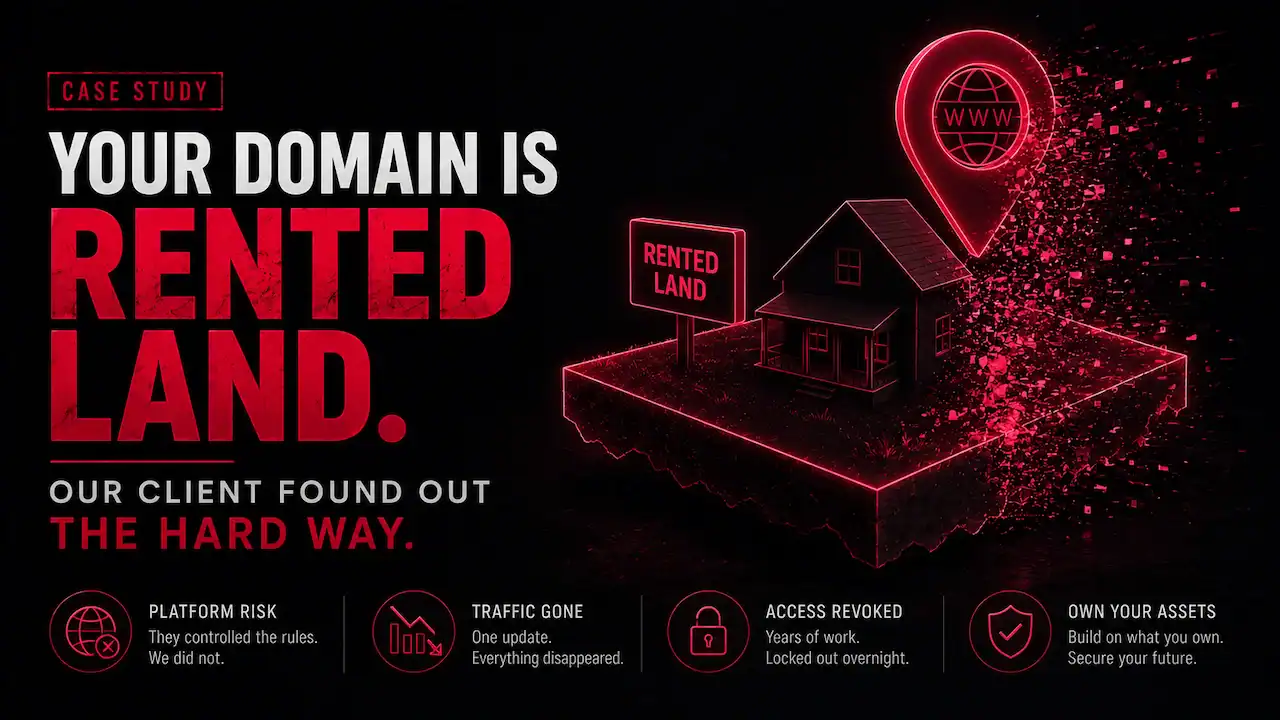
Every marketplace sale is a rented customer — you pay 20–25% forever and the platform keeps the relationship (Lazada starts masking buyer data in July 2026). Break the rental: capture repeat buyers into a WhatsApp broadcast list or your own store, reward them, and sell to them again at near-zero cost. Your competitors who never build this stay on the fee treadmill; you compound.
Play 9 — Give them a reason that isn’t price (brand & story)
“Why you and not the cheaper listing?” needs an answer beyond price: a founder story, a cause, a distinctive aesthetic, expertise, a community. Local designs and Malaysian cultural angles (Manglish, local humour, festive editions) are hard for overseas sellers to copy and travel well here. People pay more for brands they feel something about — even by a few ringgit, and a few ringgit is your whole margin.
Play 10 — Sell both places, and be where your niche lives
Don’t artificially limit your net. Experienced Malaysian sellers are almost unanimous on listing across marketplaces:
“I’m a seller. I sell on both platforms. Their commission and fees are almost the same. You can even sell on TikTok. Both — bigger net, wider market. Don’t limit.” — Malaysian sellers, r/malaysia
Once your operations are smooth, mirror your catalogue onto every relevant channel (a multichannel tool syncs stock so you’re not double-selling). But “be everywhere” also means being where your specific niche gathers — a Facebook group for its hobby, a subreddit, a TikTok subculture. A seller who is genuinely present and helpful in the community their product serves earns trust no ad can buy, and that trust converts.
Play 11 — Make reliability your brand
In a market full of flaky sellers, boring reliability is a differentiator. Ship same-day, pack so nothing arrives damaged, answer every message, and honour every return without drama. The seller whose parcels always arrive fast and intact earns the 5-star reviews, the Preferred Seller badge, the repeat buyers and the algorithm’s favour — while competitors bleed penalty points and one-star “item damaged” reviews. It is unglamorous and most people won’t do it consistently, which is exactly why doing it wins. As one seller put it bluntly about those who can’t keep up: “cannot fulfill then don’t sell online lor… in this competitive market, if you don’t want to adapt, better go back to traditional selling” (Lowyat).
New vs established, summarised: a small seller beats a big one with agility, niche, content, live, service and reliability — the things that reward effort over budget. Once you’re the established one, you defend the same way you attacked: keep making content, keep your service ratings pristine, and keep building your owned audience so the next hungry newcomer can’t do to you what you did to the last incumbent.
Part 6 — Marketing and growth beyond organic reach
Organic (content, SEO, live) is the foundation; paid and partnerships are the accelerant. Use them once you know a product converts — never to rescue one that doesn’t.
Shopee Ads (keyword + discovery)
Shopee Ads are cost-per-click — you pay only when someone clicks; exposure is free (Shopee Ads MY, 2026). Start with Auto-Selected keywords if you’re new (Shopee picks and optimises), then graduate to Manual keywords for control. Bid on specific, high-intent keywords — “iPhone 15 case shockproof,” not “iphone” — because specific keywords are cheaper per click and convert far better. Minimum budget is RM2/day (RM20 total), so you can test for the price of a teh tarik. The discipline that matters: watch your ACOS (ad cost ÷ sales); if ads cost more than your margin, fix the listing or the price before spending more. A higher listing quality score also lowers the bid you need to rank.
Know the three Shopee ad types and use them in order. Search (keyword) ads put your product at the top of results for terms you bid on — highest intent, start here. Discovery ads place your product in “you may also like” and related-product slots across the app — good for scaling a proven winner. Shop ads promote your whole store for brand searches — useful once you have a brand worth searching. The discipline that separates profitable advertisers from the rest is one number: ACOS (advertising cost of sale = ad spend ÷ sales from ads). If your product nets a 12% margin, an ACOS above ~12% means the ad is losing money — so you either improve the listing’s conversion, raise the price, or cut the keyword. Check ACOS per keyword weekly: kill the losers, pour budget into the two or three keywords that convert cheaply, and only then scale the daily budget. Ads reward patience and pruning, not big opening bets.
TikTok ads (Spark Ads on winners)
Don’t guess at ad creative — let organic tell you. When one of your videos over-performs, boost that exact video with Spark Ads so you’re scaling proven content, not a studio guess. Keep videos native; the moment an ad looks like an ad, TikTok CPMs punish you (Meta/TikTok CPM in Malaysia runs RM8–25, +30–50% in festive periods — Zenweb, 2026).
Affiliates and creators (other people’s audiences)
The highest-leverage growth channel in 2026 is letting others sell for you. On TikTok Shop, open Open Collaboration (any creator, 10–15% commission) and Targeted Collaboration (hand-picked creators, 18–25%) — you only pay on sales, so it’s pure upside (Hamster Garage, 2026). On Shopee and beyond, plug into affiliate networks like Involve Asia (Malaysian-founded). Seed product to nano-influencers; ten creators with 5,000 engaged local followers each will out-convert one expensive celebrity.
A nano-influencer outreach message that works (DM or email): “Hi [name], I love your [specific recent post] — genuinely. I run [brand], we make [product] for [their audience]. I’d love to send you one free, no strings; if you like it and want to share, we run an affiliate at [15%] so you earn on every sale through your link. Keen?” It’s short, specific, gives before it asks, and makes the money clear. Send ten of these a week; a handful will convert into a compounding sales channel that costs you nothing until it works.
Retention: the marketing everyone ignores
Acquiring a customer costs 20–25% in fees plus ad spend; selling to one you already have costs almost nothing — yet most Malaysian sellers never do it. After the first order, pull the buyer off the rented platform relationship: a thank-you insert with a WhatsApp “VIP drops” number or a QR to your own store, a follow-up message after delivery, an exclusive returning-customer voucher. A small WhatsApp broadcast list of past buyers is the cheapest, highest-ROI marketing channel you will ever build, and it’s yours — no algorithm, no commission, no rent. Every repeat sale through it is near-pure margin, and it compounds while your competitors keep buying the same customers over and over.
Vouchers, campaigns and the festive calendar
Platform campaigns (9.9, 10.10, 11.11, 12.12, Raya, payday sales) deliver huge visibility — Lazada’s 2025 11.11 saw average order value up 13% (Malay Mail, 2025) — but they’re margin-compression machines: to get the traffic you commit to steep discounts and rising ad costs. Play it deliberately: model the discounted margin before you opt in, forecast stock 6–8 weeks ahead so you don’t sell out mid-campaign, and use in-live and follow-voucher tools to convert the traffic. Don’t let a mega-sale be the only reason someone buys from you — that trains bargain-hunters, not fans.
Own-store SEO (the compounding channel)
For your own store, search is the engine that makes the economics work (see Part 8). Two Malaysia-specific realities: the marketplaces dominate Google’s product results, so find the gaps — we mapped them in our study on whether Shopee and Lazada own Google Malaysia; and many Malaysians search in Bahasa Melayu, where competition is thinner and intent is high, yet most stores publish only in English — the gap we quantified in our BM vs English SEO study. Optimise for how Malaysians actually search: bilingual, mobile, local.
Part 7 — Ratings, the algorithm, and staying visible
Visibility is earned and easily lost. Both big platforms run a metrics regime; break it and you vanish from search regardless of how good your product is.
Shopee penalty points (know these cold). Your Late Shipment Rate (LSR) must stay under 15% — cross it and you collect penalty points (BigSeller/Shopee, 2026). Your Non-Fulfilment Rate (NFR) — orders you cancel or fail to fulfil — must stay under 10%. Accumulate points and Shopee can suspend seller privileges for up to 28 days and strip your Preferred Seller badge; points reset each quarter (Jan/Apr/Jul/Oct). Practically: only list what you can actually ship, ship before the deadline, never cancel on the buyer, and keep chat response fast. These four habits protect the Performance and Seller-Quality scores that decide your ranking.
TikTok Shop runs the parallel Shop Performance Score (SPS); keep it at or above 3.5 to retain affiliate access and visibility (TikTok Shop, 2026). Freshness on Shopee gives new and updated listings a temporary lift — a reason to refresh tired listings and launch new SKUs regularly rather than letting a catalogue go stale.
Part 8 — The profit math nobody shows you
You can do everything above and still lose money if you don’t price for the real costs. Here is a worked unit-economics model for a store selling a RM59 physical product, across three channels. Every assumption is stated; copy it into a spreadsheet with your own numbers.
Assumptions: COGS RM28 (~47% of retail); free shipping absorbed at ~RM6 West Malaysia (from RM5.42 via EasyParcel, 2026); packaging RM0.60; a 4% returns/failed-COD allowance; and marketing that differs by channel (marketplaces need less because they bring the traffic; your own store needs more because you buy all of it). Excludes income tax and your own time.
| Per RM59 order | Shopee | TikTok Shop | Own store |
|---|---|---|---|
| Retail price | 59.00 | 59.00 | 59.00 |
| Product cost (COGS) | -28.00 | -28.00 | -28.00 |
| Platform commission | -7.08 (12%) | -4.72 (8%) | 0.00 |
| Payment / txn fee | -1.27 | -2.23 | -2.20 |
| Platform support fee | -0.54 | -0.54 | 0.00 |
| Shipping (absorbed) | -6.00 | -4.00* | -6.00 |
| Packaging | -0.60 | -0.60 | -0.60 |
| Marketing / traffic | -5.90 (10%) | -10.62 (18%) | -16.52 (28%) |
| Returns/RTO (4%) | -2.36 | -2.36 | -2.36 |
| Store overhead | — | — | -0.90 |
| NET PROFIT / unit | RM7.25 | RM5.93 | RM2.42 |
| Net margin | ~12% | ~10% | ~4% |
*TikTok shipping reflects platform subsidies/rebates. Illustrative (2026); your numbers will vary.
The lessons: marketplace margins are thin — RM6–7 on a RM59 order, exactly the reality one seller described: “you untung RM5 also consider lucky already” (Lowyat). TikTok’s lower commission is eaten by content/ad cost. And the own store looks worst — but only because we charged it 28% for paid traffic. Bring that traffic through SEO, repeat customers and organic content instead (cut traffic cost to ~10%) and the own-store net jumps to about RM13 per unit — a ~22% margin, the highest of any channel — because you’re not paying the 20% marketplace tax. That is the entire long-game argument: marketplaces rent you customers; content, SEO and a brand let you own them.
Price for this from day one. Back-solve: decide your target net margin, add up every cost line above, and set your retail price so the margin survives the fees, the shipping you absorb, and the ad spend to get seen. The most common Malaysian-seller mistake is pricing to match a competitor and discovering there was never any margin to begin with.
A few pricing tactics that protect margin without scaring buyers. Build the “free shipping” cost into the price — Malaysian buyers strongly prefer free shipping, and a RM55 item with free shipping outsells a RM49 item plus RM6 postage even though they cost the buyer the same. Use charm pricing (RM49, RM59) and always show a slashed “original” price so the discount is visible. Create a good-better-best ladder (single / twin-pack / bundle) — the mid or bundle option lifts average order value and makes the entry price look reasonable. Reserve your deepest discounts for live-only vouchers and returning customers, not your default listing price, so you’re not permanently training the market to expect your product cheap. And re-check your pricing every time a platform raises fees (they did across 2025–2026) — a fee hike you don’t pass on is a pay cut you gave yourself.
Part 9 — The legal and tax basics (do this right, once)
Register with SSM. A sole proprietorship costs RM30/year (personal name) or RM60/year (trade name) via ezBIZ, approved in about a day (SSM, 2026). Do it within 30 days of starting; Lazada requires it to withdraw funds, and you’ll need it for a business bank account. Scaling? A Sdn Bhd gives limited liability and a 15% SME tax rate on the first RM150k profit (LHDN, 2026). Full walkthrough in our company registration guide.
SST, LVG and e-invoicing. Service tax is 8%, charged on marketplace fees (not your product price); you only register for service tax yourself past RM500k turnover, so most beginners are outside it (MOF, 2025). If you import or dropship stock, the 10% Low-Value Goods tax applies to imported goods priced RM500 or below (Customs; MOF) — build it into your cost. And LHDN e-invoicing exempts businesses under RM1 million turnover in 2026 (LHDN, revised Dec 2025), so most starters don’t need it yet — adopt early with a tool like Bukku if you’re scaling. None of this is tax advice; see a licensed agent as you grow.
Part 10 — Operations and scaling without breaking
Most sellers die of operational chaos, not lack of sales. Build these habits before you scale.
Cash flow and inventory. Platforms hold your money — sellers report Shopee holding payouts ~20 days (Lowyat) — so you’re funding stock and ads before you get paid. Keep a cash buffer, don’t over-order unproven SKUs, and reinvest winners. Packaging. Cheap, sturdy packaging reduces damage claims and returns; a RM0.30 poly mailer that arrives intact beats a RM1 box that arrives crushed. Fulfilment. Book couriers through EasyParcel for discounted rates and print labels in batches; ship same-day where you can (it protects your LSR and delights buyers). Which courier? We ranked them on real reliability data in our best courier companies in Malaysia guide.
Returns and COD. Cash-on-delivery widens your market (still ~14–15% of orders) but failed/refused COD runs 15–20% versus 3–5% prepaid — nudge buyers to DuitNow/e-wallet with a small discount, and price a returns allowance in. Customer service. Set a response-time standard, use saved replies for FAQs, and turn complaints into 5-star recoveries. Tools. Keep the stack lean: a multichannel manager (SiteGiant, EasyStore) to sync listings, EasyParcel for shipping, Billplz/ToyyibPay for own-store payments, and Bukku/Financio for accounting and e-invoicing. When to add channels or an own store: only once your first channel’s operations are smooth — a second channel doubles the ops work, so earn the right to it.
Systemise before you scale, and know when to get help. The moment you’re doing 10+ orders a day, write simple SOPs — a packing checklist, a saved-replies script for chat, a daily “metrics + restock” 10-minute review — so the business doesn’t live only in your head. Your time splits into three jobs: making content/live (revenue), fulfilling orders (operations), and looking at numbers (strategy). The first hire most Malaysian sellers make is a part-timer for packing and customer chat, which frees you for the content and live selling that actually grow sales — never outsource the growth engine, outsource the repetitive ops. Track a tiny dashboard weekly: orders, net margin per order, ad ACOS, LSR/NFR, and repeat-customer rate. If those five are healthy, you scale; if one is sick, you fix it before adding fuel. Most sellers who “suddenly” fail were flying blind on these numbers for months.
Part 11 — Your first 90 days: a week-by-week plan
Enough theory — here’s the sequence to actually execute.
| Phase | What you do |
|---|---|
| Weeks 1–2: Set up | Register SSM; open your first channel (Shopee or TikTok Shop); pick ONE hero product in a defined niche; set up shop fully; write one keyword-optimised listing with 9 images + video; sort courier + payments. |
| Weeks 3–4: First sales | Post 1–3 short videos daily; do your first (quiet) LIVE; get your first 10 orders via network + a launch voucher + a small keyword ad; ask every buyer for an honest review. |
| Weeks 5–8: Find the winner | Double down on whatever content/product converts; go LIVE at a fixed daily time; turn on Shopee Ads on the best listing; keep LSR under 15% and reply to chat fast; hit 20+ reviews on the hero SKU. |
| Weeks 9–12: Scale + own | Recruit affiliates (TikTok collab); Spark-Ads your best video; add 2–3 SKUs around the winner; start your WhatsApp/own-store list from existing buyers; plan for the next mega-sale. |
Notice what’s not here: obsessing over the perfect logo, listing 200 products on day one, or waiting until everything’s “ready.” Momentum from a real first sale beats months of preparation. Start small, find the winner, then pour fuel on it.
Putting it together: a realistic 0-to-RM10k walkthrough
Theory is cheap, so here’s the whole playbook applied to one made-up-but-realistic seller — call her Aisyah, selling a niche skincare product. This is an illustration of the moves, not a promise of results; your product, effort and luck will move every number.
Product & sourcing. Aisyah skips “skincare” (a bloodbath) and niches to oil-control products for oily, humid-climate skin — a real Malaysian pain. She finds a centella oil-control serum, orders samples from two suppliers (one local distributor, one via a 1688 agent), picks the better formula, and calculates landed cost at RM11/unit (including the 10% LVG import tax). She prices at RM49 — a ~63% gross margin that survives the fees.
Setup. She registers a sole prop on ezBIZ (RM60 trade name “GlowKita”), opens TikTok Shop (0% commission for 90 days) and a Shopee shop, and writes one keyword-rich listing with nine phone-shot images and a video. Total cash out so far: samples + first small batch of 100 units (~RM1,100) + ezBIZ RM60.
Weeks 1–4 — first sales from content. She posts two videos a day: problem/solution hooks (“if your T-zone is an oil slick by lunch…”), demos, and a before/after. Most flop; by week three one before/after video hits 40k views and brings her first 30 orders. She replies to every Shopee Chat within minutes, ships same-day, and asks each buyer for an honest review. She ends the month with ~45 sales and 12 reviews — thin profit, but a proven winner.
Weeks 5–8 — live + ads. She goes LIVE on TikTok every night at 9pm for 45 minutes, demoing the serum with a live-only RM39 voucher, and boosts her winning video with Spark Ads (RM20/day). Shopee Ads on the listing (RM10/day, specific keywords like “oil control serum oily skin”) lift it to page one for that term. Orders climb to ~15/day. She keeps her Late Shipment Rate near zero, so Shopee’s algorithm keeps feeding her.
Weeks 9–12 — scale and own. She opens her product to TikTok affiliates at 15%; eight nano-creators start posting, adding a passive ~10 sales/day she doesn’t have to film. She adds two SKUs (a cleanser, a bundle), starts a WhatsApp “GlowKita VIP” list from past buyers, and sells to them directly at near-zero cost. By month three she’s around ~30 orders/day across channels — roughly RM40k revenue, and after COGS, fees, shipping and ~15% marketing, keeping in the low thousands of ringgit net and growing. Month six, she talks to the manufacturer about a private-label version and starts building her own store for the repeat buyers, where the margin is best.
Every move above is in this guide. None of it is “passive,” none of it is guaranteed, and the flops (most of her videos) are part of it. But notice she never once competed on being the cheapest generic serum — she won on niche, content, live, service, and owning her customer. That’s the difference between a store that grows and one that stalls at “why isn’t anyone buying?”
The reality check (so you go in clear-eyed)
None of this is easy money, and pretending otherwise would be exactly the generic nonsense this guide exists to replace. The honest failure modes, from the data and the sellers living them: fees only rise — every platform hiked in 2025–2026, and effective take-rates hit 20–25% (“if we sell a pen for RM1, we already pay 12 sen commission plus a new 54 sen handling fee” — Lowyat). Visibility is pay-to-play — “if you don’t join the campaigns, you get absolute 0 visibility” (r/malaysia). Cash flow is tight because platforms hold your money. Saturation is real — competing on price against identical listings is the fastest way to zero. The way through every one of these is the same: don’t be a generic reseller. Niche, brand, make content, go live, serve better, and own your customer. That’s the whole game, and most sellers won’t do it — which is precisely why the ones who do, win.
The mistakes that quietly kill Malaysian online stores
Most stores don’t fail dramatically — they bleed out from avoidable errors. Here are the ones we see most, so you can skip them.
Pricing to match a competitor instead of to a margin. The number-one killer: you copy a rival’s price, then discover after fees, shipping and ads there was never any profit in it. Always price from your cost-up target margin (Part 8), not from the cheapest listing. Competing as a generic reseller. Selling the identical SKU as 200 others with no niche, brand or angle is a guaranteed race to zero — differentiate before you enter, not after you’re stuck. Launching and hoping. Listing a product then waiting for Shopee to send buyers doesn’t happen anymore; you must create demand with content, live and ads. Ignoring the metrics. A few late shipments or cancellations quietly tank your Late Shipment / Non-Fulfilment rate and your ranking vanishes — protect them obsessively. Chasing every trend and product. Spreading across 50 SKUs and five platforms on day one means you market none of them well; win with one first. Never leaving the marketplace. Staying 100% dependent on rented traffic means you pay 20–25% forever and own nothing — start capturing repeat customers from your very first sale. Burning ad budget on a product that doesn’t convert organically. Ads amplify; they don’t fix. If a product can’t sell in a good video, more ad spend just loses money faster. Underestimating cash flow. Platforms hold your money ~20 days while you fund stock and ads up front — run out of cash mid-growth and it’s over regardless of how well you’re selling. Skipping the sample. Listing a product you’ve never held leads to the quality complaint that craters your rating. Every one of these is unforced. Avoid them and you’re already ahead of most of the market before you’ve made your best move.
Frequently asked questions
How do I actually get my first sale on Shopee or TikTok Shop?
Set up one fully-optimised listing, then create demand rather than waiting for it: post short product videos daily, do a LIVE, tap your own network, offer a small launch voucher, and run a low keyword ad (from RM2/day on Shopee). Your first 10 orders and first reviews are the hardest and the most important — they unlock the sales velocity that ranks you.
Do I need to show my face to sell online in Malaysia?
No. Faceless content works (hands-only demos, voiceover b-roll), and you can recruit affiliates and live-selling hosts to be the face for a commission (10–25% on TikTok Shop). But someone’s face and energy will out-sell no one’s — if not yours, hire or partner for it.
Is TikTok Live really worth the effort?
Yes — live and content commerce is already 32% of regional GMV and converts better than static listings because it demos the product and creates urgency. Your first lives will be quiet; treat two weeks as rehearsal. Consistency (same time daily) matters more than production quality.
How do I compete when everyone sells the same product cheaper?
Stop selling the same product. Niche down, private-label your own brand, and compete on the offer (bundles, service, speed) not the price. Win the review race, out-serve rivals in chat, and build content/live that listing-only competitors can’t match. Price is the one game you can’t win against deeper pockets.
How much should I budget for ads?
Start tiny — RM2–10/day on Shopee Ads on your best listing — and only scale what’s profitable (watch ACOS: ad cost vs sales). On TikTok, boost videos that already work organically (Spark Ads). Never use ads to prop up a product that doesn’t convert organically; fix the product or listing first.
Marketplace or my own website — which should I build?
Both, in sequence. Start on a marketplace for instant traffic and cash flow; build your own store in parallel for margin and to own the customer. On paid traffic an own store can be less profitable than a marketplace, but on SEO and repeat customers it’s the most profitable channel of all (~22% vs ~12%).
What sells best, and what’s the highest margin?
Fashion, electronics and especially health & beauty lead by volume; beauty/wellness and digital products lead by margin. But category matters less than defensibility — a branded or niche product you own beats a generic bestseller everyone else also lists.
How do I avoid getting my shop suppressed or banned?
Protect your metrics: keep Shopee Late Shipment Rate under 15% and Non-Fulfilment Rate under 10%, ship on time, never cancel on buyers, reply to chat fast, and don’t buy fake reviews. On TikTok keep your Shop Performance Score at 3.5+. These guard the visibility you work so hard to earn.
How do I find a product to sell if I have no idea what to sell?
Start from a problem or a passion you understand, then validate it with data: search candidate products on Shopee and check units sold + review counts (proven demand, beatable competitors), watch TikTok’s trending and Creative Center for what’s spiking, and read the search autocomplete for intent. Pick something with margin (buy at ~30–40% of sell price), light and non-fragile, and that you can niche or brand. Order a sample before you commit. Don’t chase the most viral product — chase proven demand you can still differentiate on.
Where do Malaysian sellers source their products?
Four routes: local wholesalers/distributors (fast, no import tax, easy quality checks — best to start), China via 1688/Taobao through a sourcing agent (cheapest, but MOQs, lead time and the 10% LVG import tax), Malaysian-warehouse dropship suppliers like Kumoten (test with no inventory), and private-label manufacturers (highest margin and most defensible, once you’ve proven demand). Always sample first and calculate true landed cost before pricing.
How many products should I start with?
One. A single hero product you can master, film, live-sell and review-build around beats a catalogue of 50 you can’t market. Find one winner, get it to consistent daily orders, then add two or three adjacent SKUs (and bundles) around it. Breadth comes after you’ve proven you can sell one thing well.
How fast can I realistically expect sales? With daily content and a decent product, first sales in the first few weeks are normal; a consistent daily rhythm (orders most days) typically takes 1–3 months of posting, live selling and iterating. Anyone quoting you a fixed “RM__ in X days” is guessing or selling a course. Speed depends most on product choice and content consistency.
Should I sell on multiple platforms at once?
Not on day one — each channel doubles your operational load. Master one (Shopee for search buyers, TikTok Shop if you’ll do content), get operations smooth, then expand. Multichannel tools (SiteGiant, EasyStore) let you sync listings and stock across platforms once you’re ready, so you’re not managing each by hand.
Do I need a lot of money to start?
No — you can start under ~RM1,500 (SSM RM60 + a small first stock batch + a ring light), and dropshipping cuts the inventory cost further for testing. The real spend that scales is marketing to get seen; start ad budgets tiny (RM2–20/day) and only pour in more once a product proves it converts. Bootstrapping slowly on content beats burning capital on ads for an unproven product.
How do I get anyone to watch my TikTok LIVE when I have zero followers?
You don’t need followers to start — TikTok pushes LIVEs to the For You feed, so viewers come from the algorithm, not just your following. Warm it up first: post a short video an hour before you go live announcing it, go live at the same time daily so the system learns your slot, and hook hard in the first seconds so people stop and stay (watch-time and comments tell TikTok to show your live to more people). Your first sessions will have single-digit viewers; that’s the audition. Keep selling to whoever’s there, keep the energy up, and the rooms grow as your consistency and watch-time signals build. Many Malaysian live sellers went from empty rooms to steady sales purely by showing up nightly for a few weeks.
What’s the difference between TikTok Shop and just posting TikToks?
Posting TikToks builds an audience but doesn’t sell anything on its own — viewers have to find you elsewhere to buy. TikTok Shop turns the content into a store: a product card sits on your videos and LIVEs, and viewers check out inside the app in a couple of taps. You link your catalogue in TikTok Shop Seller Centre, then tag products in your videos and lives. So the content and the shop are two halves of one machine — content creates the demand, TikTok Shop captures it on the spot. Running content without the shop connected is leaving the sale on the table.
Can I start selling before I register with SSM?
Technically you can list on Shopee or TikTok Shop with just your IC to test, but you should register a sole proprietorship (RM30–60 on ezBIZ) within 30 days of trading — it’s the law, it’s cheap, and practically you’ll need it to withdraw money on Lazada, to open a business bank account, and to look legitimate to suppliers. Treat it as a day-one task, not an afterthought; it’s the smallest, easiest box to tick on this whole list.
A note from the Sterrific team
We’re a Malaysian digital marketing agency, and we rewrote this guide because the first version — like most e-commerce “guides” — told you the market was big and left you to figure out the hard part alone. Everything here is what we’d actually tell a client: the real fees, the live and content playbooks, the plays that separate you from the pack, and honest profit math. It’s dated and sourced because a stale or wrong number costs a seller real money.
The through-line: the margin, and the moat, live in owning your store, your content and your customer — not in renting all three from a marketplace. That’s our job. We design and build fast, conversion-focused e-commerce stores, and we bring the traffic that makes them profitable through SEO, content and ads. If you want a storefront you own plus the visibility that turns a 4% margin into a 22% one, reach out for a free marketing plan — we’ll tell you honestly whether a marketplace, an own store, or both fits where you are.
Still deciding what to sell? See our companion guides to online business ideas in Malaysia and dropshipping in Malaysia. Then come back here and execute the plays. Register it, price for the real fees, make content, go live, own your customer — and out-work the seller next to you. That’s the whole secret, and now you have the manual.